
A Modern Flâneur
The modern flâneur in no way resembles the apathetic and lackadaisical figure of the stroller, walker, wanderer, or idle and dispassionate observer archetypal of the desperate Parisian culture of the early nineteenth century. However, it was during the two decades between 1850 and 1870, when Napoleon III and the Prefect of the Seine, Baron Haussmann, transformed a vulgar and sullen metropolitan sewer of human despair into what became the modern-day “City of Lights.”
The rebuilding of Paris, more than a hundred and fifty years ago, became the new model for public works and urban design, calling for an entirely fresh urban vision to replace its ghostly and reclusive predecessor. Against incredible odds and amid a divided Europe, Napoleon III and Baron Haussmann cobbled together competing public, business, and governmental forces to complete the greatest urban renewal project of the last three centuries. During this period, the French flâneur was given new meaning and importance as a cultural model and eclectic icon by Charles Pierre Baudelaire, the French poet, essayist, and art critic.
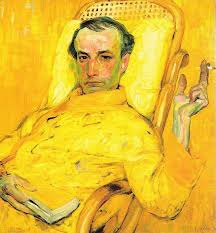
Through his 1863 essay “The Painter of Modern Life,” Baudelaire appealed to the influential avant-garde cadre of Renaissance Impressionists to emerge from the bohemian shadows of the eclectic Paris café society, abandon the laissez-faire restraints of classical convention, and lead an eighteenth-century culture into the nineteenth-century modernity of a new Parisian landscape—one defined by unrestrained artistic and literary freedom.
The creative and inventive transformation led by Napoleon III and Haussmann continued to inspire the aesthetic and critical reviews of Charles Baudelaire. German philosopher Walter Benjamin expanded upon these ideas, encouraging a new artistic and literary vision of the modern city as a space for investigating corporate attitudes, shifting social mores, and environmental planning policies—concerns that reach deep into the consciousness of the current millennium. This vision became a clarion call to the artists and literary voices of Europe, urging them to become the cultural flâneurs of the new industrial world sweeping through Western civilization.
The twenty-first-century flâneur has become symbolic of a growing sense of intellectual alienation and a quest to recapture the historic values of critical thinking. The modern flâneur avoids the linear path leading to intellectual perdition, turning instead toward global perspectives of reciprocity, reflection, and introspection—perspectives that enrich each moment with new opportunities.

A timeless moment
Given for nature’s repose –
But . . . not forever
The American flâneur, however, has been drawn into events and, rather than remaining a casual observer, has become part of new theoretical doctrines that view each event as a component of a larger whole, rather than as something unique, interchangeable, and irreplaceable.
So, if you feel trapped on a digital track to mediocrity—moving from one contradiction to the next—and refuse to yield to the demands of a collective mindset, join me as we strive to transform our lives in an era dominated by the suffocating influence of an increasingly industrialized and synthetic society.
Châz